Blog

IS 456 Mix Design: A Practical Guide for Indian Engineers
How IS 456 compares to EN 206, M-grade strength classes explained, exposure conditions and minimum cement content, and how to use MixRight tools with Indian standard mixes.

The Site Engineer's Field Guide to Concrete Quality
From mix design to curing — what to check before the trucks arrive, when to reject a batch, and why the first 7 days matter most.
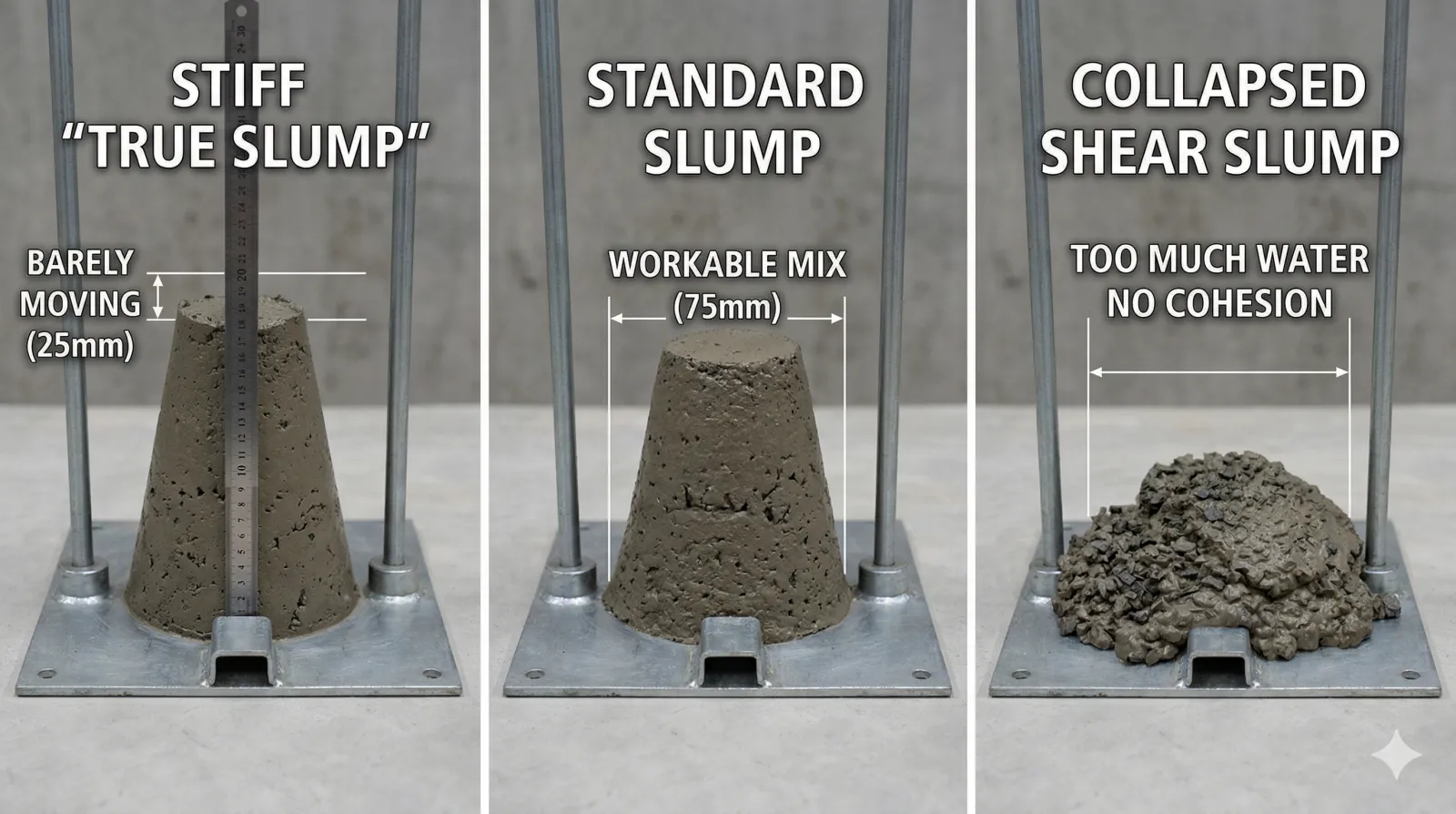
Concrete Mix Design: The BRE Method Explained
Step-by-step guide to the BRE (DOE) method for concrete mix design. Covers target mean strength, w/c ratio selection, and aggregate corrections.

What is Characteristic Strength? EN 206 Simplified
Characteristic strength explained: the statistical definition, why fck uses 1.645 standard deviations, and how EN 206 ensures structural safety.
Concrete Cost Optimisation: A Practical Guide
How to reduce concrete costs without compromising quality. Covers cement optimisation, w/c ratio, confidence-based design, and avoiding over-design.
How to Calculate Concrete Volume for Any Shape
Learn the concrete volume formulas for slabs, footings, and irregular shapes. Includes waste factors, bag counts, and practical worked examples.
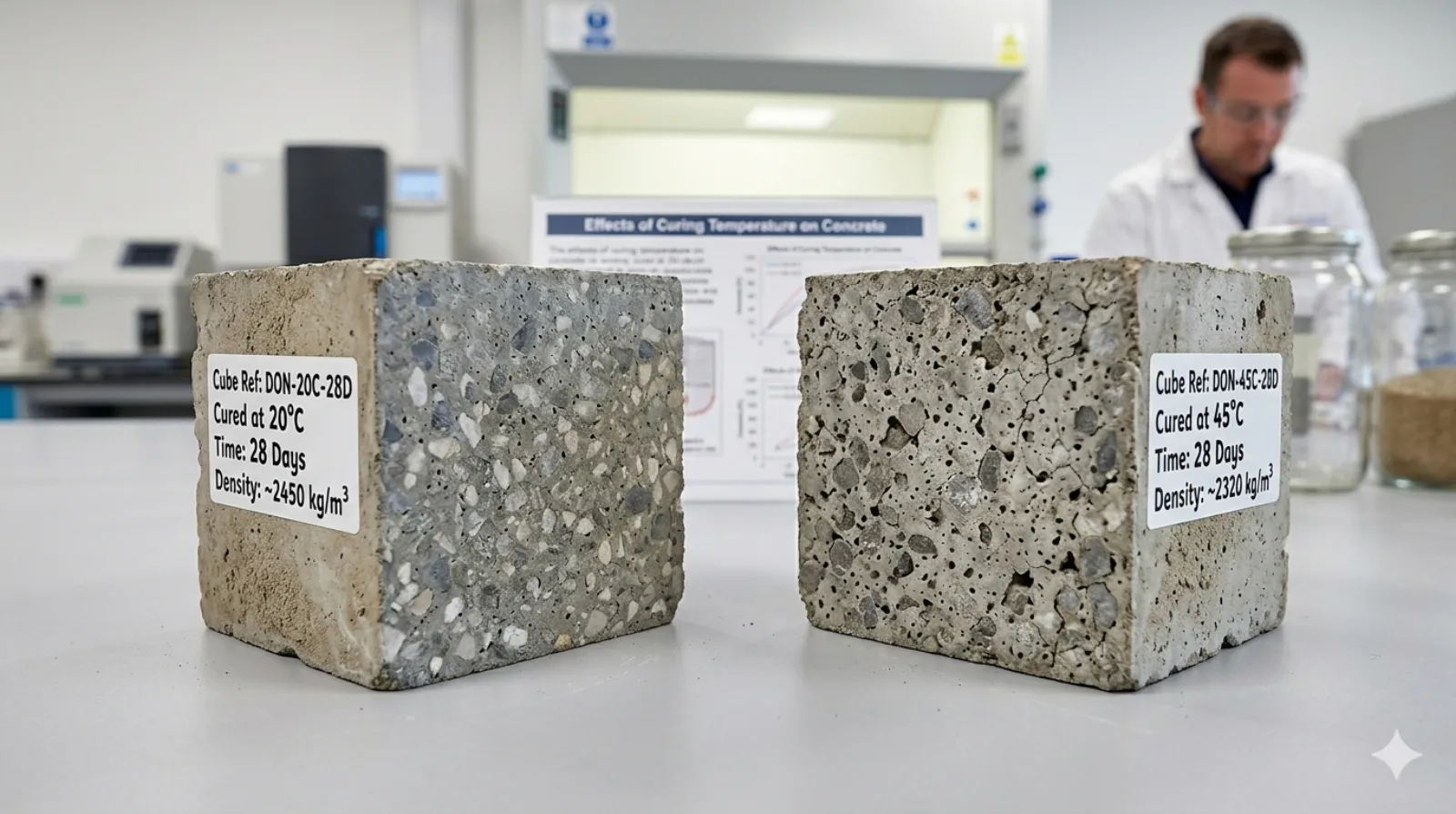
How Curing Temperature Affects Concrete Strength
How curing temperature influences concrete strength gain, the Nurse-Saul maturity method explained, and practical tips for hot and cold weather concreting.

OPC vs PPC vs PSC: Which Cement Type to Use
Comparing OPC, PPC, and PSC cements: strength development, durability, cost, and when to use each type. A practical guide for engineers and contractors.
Why Probabilistic Mix Design Beats Rules of Thumb
How probabilistic and Monte Carlo methods improve concrete mix design by accounting for real-world variability, replacing outdated deterministic rules.
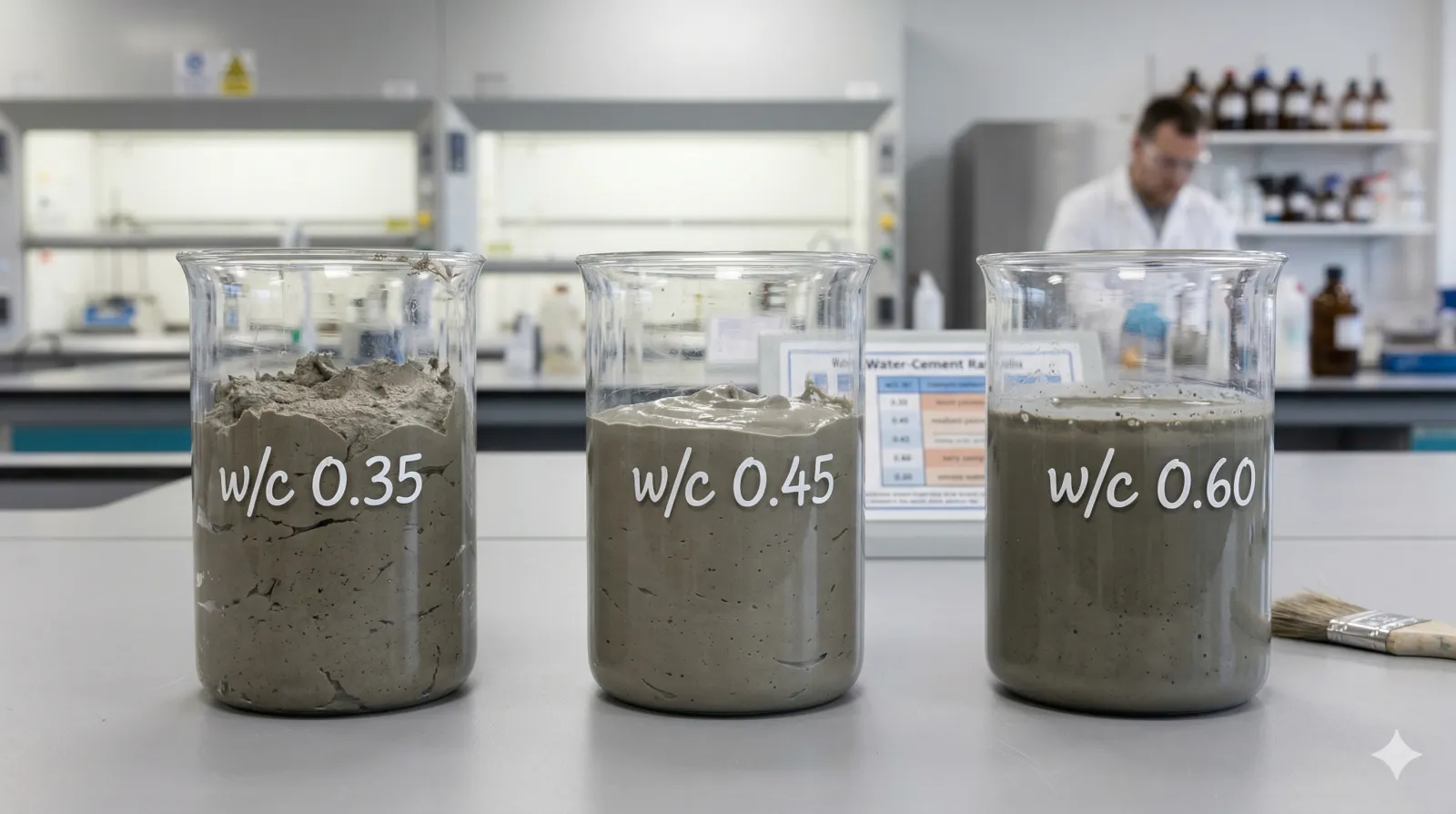
Understanding w/c Ratio and Why It Matters
What the water-cement ratio is, how it controls concrete strength and durability, typical ranges for different applications, and Abrams' law explained.